The conversation around synthetic turf has shifted once again following FIFA’s decision regarding World Cup 2026, sparking valid concerns for parents and coaches. While the “perfect” study on long-term human health outcomes is still being developed, there is substantial North American research from institutions like the National Toxicology Program (NTP) and the Icahn School of Medicine at Mount Sinai that can inform us on the potential risks and help us strategize as to how to reduce them as much as possible. Below we have curated 5 science informed tips to add to your toolbox for “playing safe” on artificial turf surfaces. Let’s start with a little background:
The Hazard Landscape – PFAS and Heavy Metals
Research confirms that artificial turf systems are not just “plastic grass” but complex chemical environments.
- PFAS (Forever Chemicals): Studies have found per- and polyfluoroalkyl substances (PFAS) in both the grass blades and the backing materials. These chemicals are often used as extrusion aids during manufacturing to prevent the plastic from sticking to the machinery (Murphy & Warner, 2022).
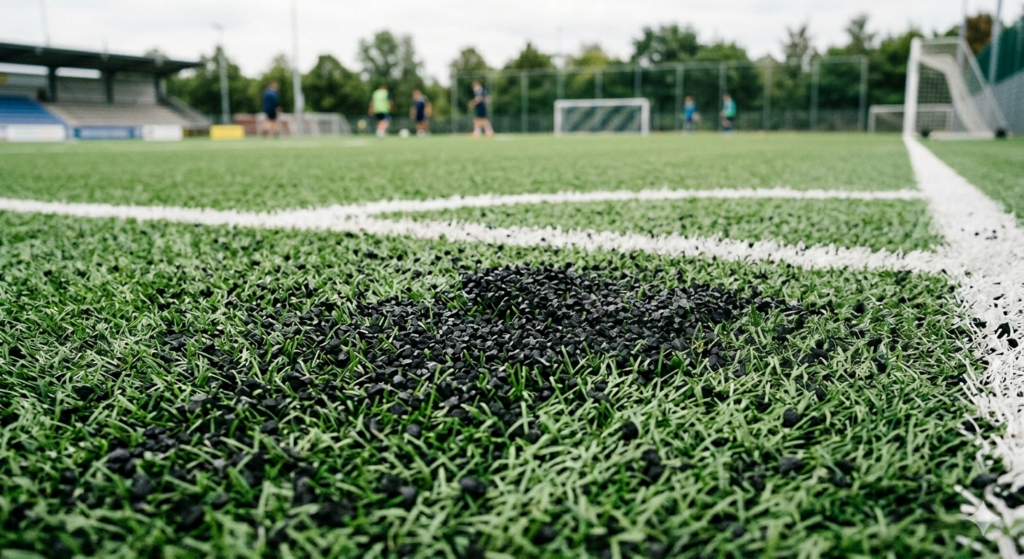
- Infill Hazards: The common “crumb rubber” infill (recycled tires) has been shown to contain polycyclic aromatic hydrocarbons (PAHs), phthalates, and heavy metals like Zinc and Lead (Cheng et al., 2014; Murphy & Warner, 2022).
- A “Limited” Exposure? Some risk assessments suggest that while hazardous chemicals are present, the actual dose received by athletes via inhalation or skin contact is often within “acceptable” limits (Cheng et al., 2014). However, recent toxicology reports from the NTP noted that while short-term biological changes in animal models were small, the presence of nearly 200 predicted carcinogens in crumb rubber justifies ongoing caution, especially for developing children who have higher respiration rates and more frequent skin-to-ground contact (NTP, 2019).
Our Reality
It is well recognized and accepted that the climate in Alberta (and many Canadian regions) poses significant challenges to maintaining natural turf. From prolonged winter seasons to high accumulation of precipitation. This can be highly impactful on season schedules and practice sessions. Artificial turf surfaces offer not only a consistent play surface but also one that is much less impacted by weather. What’s more, it can be installed completely indoors without the unrealistic amount of work that would be associated with trying to keep natural grass alive in winter (something in the soccer community call the “indoor season” to avoid saying that often vexing term.)
Artificial turf facilities and fields offer our region players a way to play year round, with highly consistent surfaces and close the gap on accessibility to the sport by comparison to other global arenas. There is no question these play spaces offer value. In light of this we believe it is prudent to do our best to understand the potential hazards and make an effort to educate our soccer community on how to best manage these potentialities. The below provides a starting point of best practices to help keep you and/or your players as safe as reasonably possible.
Five Ways to Reduce Exposure Potential
As a coach and/or parent, you can implement a “Clean In, Clean Out” policy. These steps focus on the primary exposure pathways: ingestion (hand-to-mouth), inhalation (dust), and dermal (skin contact).
1. Use Base Layers as a “Chemical Shield”
Wearing long sleeves and leggings (base layers) is highly effective. Research indicates that mechanical wear on turf releases microplastics and chemical “leachate” (RSC, 2026). A physical barrier reduces “turf burns” which are open wounds that provide a direct pathway for chemicals into the bloodstream. They could also limit the amount of infill dust that settles directly on the skin. Further these garments often claim to offer thermal benefits to help mitigate some of the retained heat challenges associated with artificial turf surfaces.
2. The “Hand-to-Mouth” Barrier
The most likely way chemicals enter an athlete’s system is accidental ingestion.
Ensure players use hand sanitizer or heavy-duty baby wipes immediately after the session, especially before eating. This helps remove “static” dust and small crumb rubber particles that cling to the skin’s oils. Player benches also offer a degree of separation from the surface while on breaks or as substitute players. Keeping hands (which then handle water bottles and half time snacks – shhh don’t tell the facilities we refuel our athletes at half against the rules) less embedded in the materials in question.
3. Dedicated “Turf Gear” Management
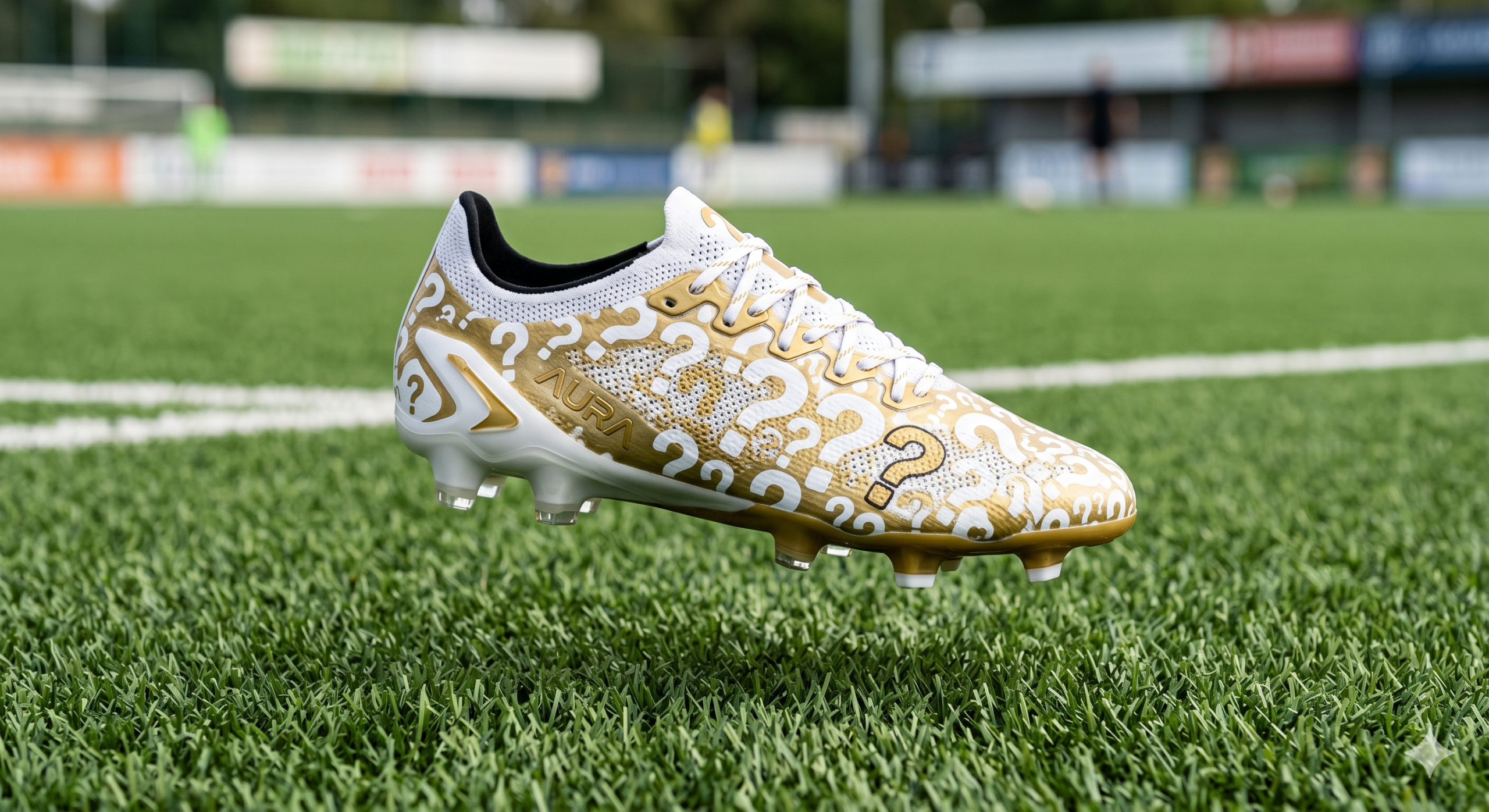
To keep the hazards from entering your home or car, treat turf gear with added care where possible. Shake out boots and bags at the field before getting in the car. If available use a stiff-bristled brush to clear the deep treads of cleats where infill hides. Having a dedicated bag or storage device for used gear to prevent migration into other clean sportswear, the vehicle or your home can add a further degree of mitigation.
4. Post-Session Hygiene
The longer sweat and turf dust sit on the skin, the higher the potential for dermal absorption.
Encourage the use of heavy duty wipes immediately post session and a shower within 60 minutes of leaving the pitch. Use a washcloth to ensure physical exfoliation of any microscopic particles that wipes might have missed.
5. Gear Laundering Protocol
Avoid washing turf “contaminated” clothes with the rest of the family’s laundry if possible and turn clothing inside out before washing to ensure all trapped infill is flushed out. This prevents the cross-contamination of “forever chemicals” or heavy metals onto other garments in the same wash cycle.
Finally give your boots a quick wipe down with a disposable wipe (conscientious to wash hands after) this not only helps to tackle the collected products from the pitch but can contribute to the longevity of your kit.
References
Cheng, H., Hu, Y., & Reinhard, M. (2014). Environmental and health impacts of artificial turf: A review. Environmental Science & Technology. https://pubs.acs.org/doi/abs/10.1021/es4044193
Murphy, M., & Warner, G. R. (2022). Health impacts of artificial turf: Toxicity studies, challenges, and future directions. Environmental Pollution. https://www.sciencedirect.com/science/article/abs/pii/S0269749122010557?via%3Dihub
National Toxicology Program (NTP). (2019). NTP research report on synthetic turf/recycled tire crumb rubber: 14-day exposure characterization studies. https://www.ncbi.nlm.nih.gov/books/NBK545101/
Royal Society of Chemistry (RSC). (2026). Microplastic emissions and degradation mechanisms in artificial turf systems. Environmental Science: Advances. https://pubs.rsc.org/en/content/articlelanding/2026/va/d5va00416k

Ryan Parkins
Ryan is the Operations and Technical Director for PPFF, a B Diploma coach with over 16 years of experience and a life long football fan and player. More importantly though Ryan is a father who has and continues to work hard to help create the best possible experiences for his children and their soccer community at large.