Selecting boots that maximize performance and safety for Alberta’s female soccer players.
In the Alberta region, soccer players face a challenge: transitioning between hard-packed, sun-baked natural grass and high-friction artificial turf (AG) from game to game and session to session. For athletes, particularly females, the choice of footwear may be more important that we have previously realized. Far more than just a matter of style, it is a critical factor in injury prevention.
If you’re a spectator of mainstream sports, particularly North American soccer leagues, you are likely aware of the concerns about the impact artificial turf has on athletes. From Messi’s apparent refusal to play on AG fields to major sports medicine studies outlining the additional stress on joints seems to be well recognized. Pretty unsettling, but did you know that recent research indicates that female players may face up to an 18% higher risk of ACL injury on artificial turf compared to natural grass when using inappropriate footwear? With the increase in AG surfaces due to the local climate we need to consider how to manage the increased risk potential. The below was compiled to help you navigate some of the science and biomechanic details in an effort to aid in choosing the right gear for local players and pitches. The increased risk of injury may be the main focus but there are other compounding factors that emphasize the importance of careful consideration of footwear selection. This includes the commonly reported discomfort cited in the EFA Pioneering Research linked below) and the limited availability/economic accessibility of the modern ladies boot. The hope is that this write up inform you and promotes pursuing additional information on the subject.
Key Challenges – “Mechanical Lock” & Torque:
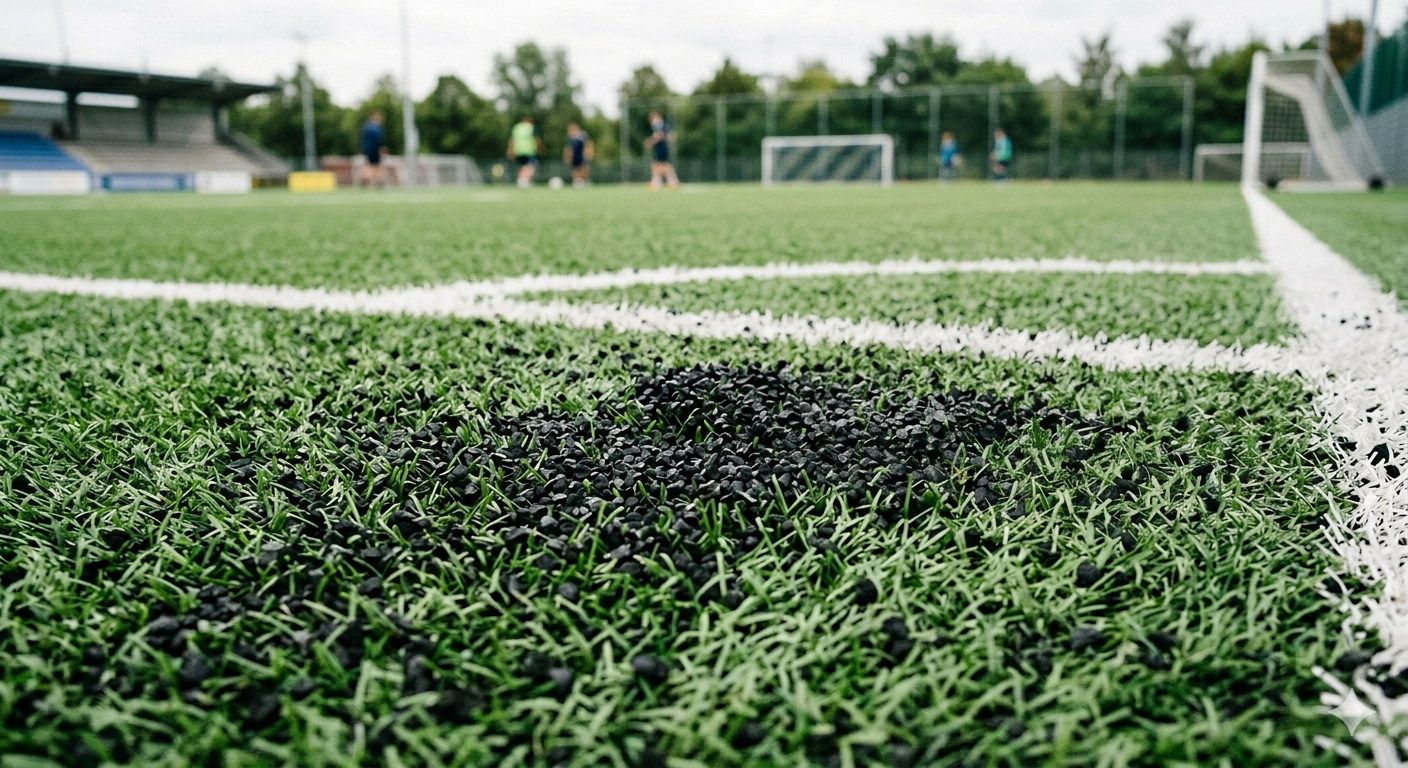
Player injury often occurs when a boot’s studs “bite” too deeply into the surface. On artificial turf, synthetic fibers and rubber infill do not “divot” or break away like natural soil. If a stud is too long or aggressive (like the popular blade style), the foot can become trapped while the player’s body continues to rotate. This creates excessive torque on the knee and ankle.
- Mass General Brigham research (linked below) notes that turf can act like “cement” against an athlete’s leg, transferring rotational force directly to the ACL if the boot doesn’t allow for a clean release.
Most Common Regional Surfaces:
- Artificial Turf (AG): Common in Alberta’s indoor centres and modern outdoor complexes. These surfaces are abrasive and high-grip.
- Hard Natural Grass (Closest to FG): Our dry prairie climate often results in compacted, “hard-ground” pitches. Standard cleats cannot penetrate this soil, causing the player to “sit” on top of the studs, which can contribute to instability and ankle rolls.
Choosing the Right Soleplate:
| Soleplate Type | Recommended Surface | Why it Works |
|---|---|---|
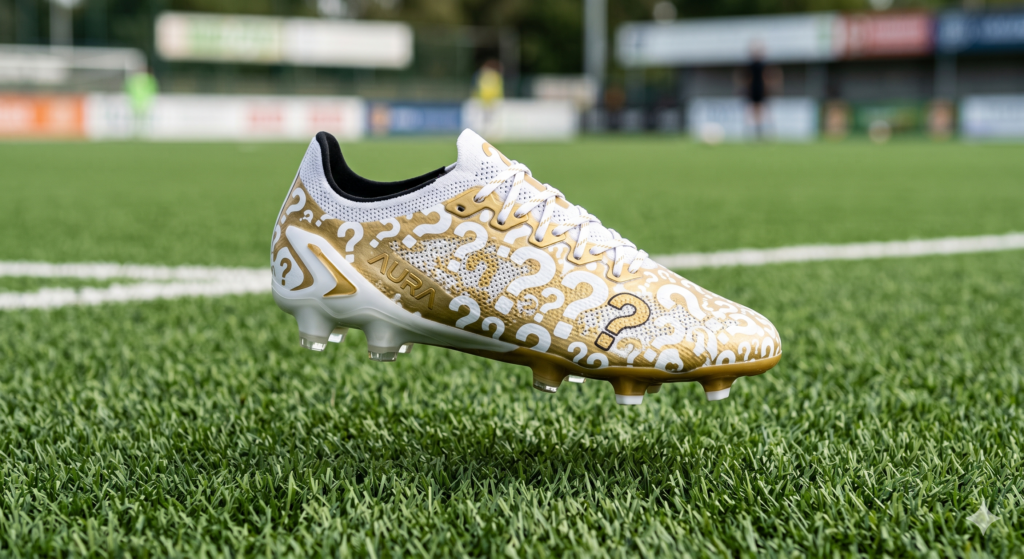
| AG (Artificial Grass) | Turf / Synthetic | Features numerous short, hollowed-out circular studs |
| MG (Multi-Ground) | Turf & Hard Grass | A hybrid design with a high count of short studs. Can be a good fit in some situations, particularly as an economical alternative to multiple pairs of boots. Our experience is that this style has mixed reviews. |
| FG (Firm Ground) | Soft/Damp Grass | Designed for “standard” grass. Avoid using these on turf if they have long “bladed” or “chevron” studs. The most common option found in regional retailers. |
Key Safety Tip: Look for Conical (Round) Studs. Research in the Journal of Athletic Training suggests that female athletes using low-profile or round studs have a significantly lower risk of non-contact ACL injuries compared to those using bladed designs.
Why “Women’s Specific” Matters
For decades, ladies boots were simply smaller versions of men’s designs. However, the female foot and gait are biologically different:
- The Shape: Women typically have a narrower heel-to-forefoot ratio. A women’s specific “last” (the mold of the shoe) prevents “heel slip,” which is a leading cause of blisters and mid-foot instability.
- The Q-Angle: Due to wider hips, the angle at which the femur meets the tibia (the Q-angle) is different in females. Boots designed for women account for this alignment to better support the arch and reduce stress fractures.
The Take Away
Much of the footwear marketed to (particularly youth) players is based on brand recognition and aesthetic appeal but it is important to ensure we consider function. By better understanding the risks associated with the wrong kit we can work together to help minimize unnecessary injury in our clubs.
Specifically for women, recent research and significant investment within the soccer community has brought to light the need to seek out footwear designed not only for the correct pitch surfaces but based on the unique characteristics of female biomechanics. Currently in the Calgary & Edmonton areas there are a number of local soccer retailers who offer boots that are designed to meet these new recommendations. Though we have no affiliation nor sponsorship with any party some examples of this footwear includes:
- Adidas Women’s F50 (AG)
- Nike Tiempo Maestro (AG/FG)
- Puma Women’s Ultra Match (FG)
Generally what we have come to understand is that the best practice is to avoid bladed or overly long aggressive studs and to instead choose the newer holo style round studs for AG and traditional round or easy rotation for Alberta’s FG surfaces.
To learn more about the science of soccer footwear and player safety, explore these recognized sources:
- ECA Pioneering Research: Women-Specific Boots – A deep dive into how stud design impacts the female body.
- Mass General Brigham: Turf vs. Grass Safety – North American medical perspective on surface-related injuries.
- American Academy of Orthopaedic Surgeons – General soccer injury prevention and footwear guidelines.
Disclaimer: This article is for informational purposes. Always consult with a sports physiotherapist or healthcare professional regarding specific injury concerns.
Last revised: May 3, 2026

Ryan Parkins
Ryan is the Operations and Technical Director for PPFF, a B Diploma coach with over 16 years of experience and a life long football fan and player. More importantly though Ryan is a father who has and continues to work hard to help create the best possible experiences for his children and their soccer community at large.